
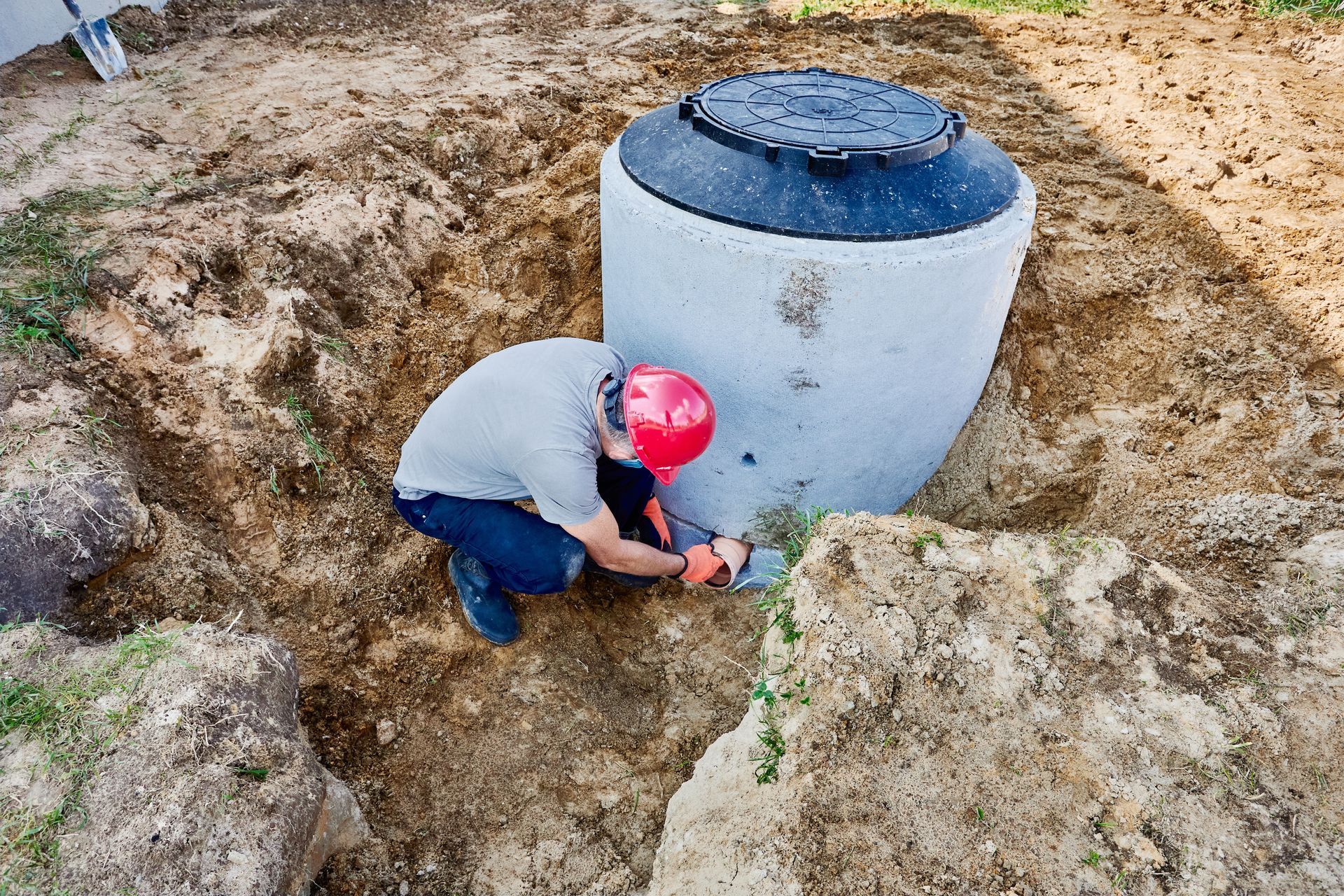
Systems Designed Where Standard Approaches Fail
Engineered Septic Systems in Rifle for properties limited by slope, shallow bedrock, or soil that drains too slowly for conventional drainage fields
Properties with steep grades, restrictive soil layers, or undersized buildable areas often cannot accommodate gravity-fed septic systems that rely on natural soil absorption. Reliable Septic Solutions develops engineered septic designs that use pressure distribution, mound construction, or advanced treatment components to manage wastewater where site constraints eliminate standard options. These systems address the same functional goal—treating and dispersing effluent—but employ mechanical components and modified layouts to overcome physical limitations that would otherwise prevent development.
Engineered designs begin with detailed site analysis: soil borings to identify restrictive layers, topographic surveys to map slope and drainage patterns, and percolation testing to measure how quickly water moves through subsurface material. When conventional leach fields cannot be installed due to high water tables, shallow bedrock, or insufficient setback distances, engineered solutions introduce pumps, sand fill mounds, or aerobic treatment units that process wastewater to higher standards before it enters the soil.
Arrange an on-site evaluation to determine whether your property requires engineered components or alternative system configurations.
What Engineered Systems Solve on Difficult Sites
When soil percolation rates fall below acceptable thresholds, engineered systems introduce sand or gravel media that provides the filtration natural soil cannot. Mound systems, for example, elevate the drainage field above restrictive layers, allowing effluent to pass through imported fill material before reaching native soil. Pressure distribution networks push wastewater evenly across the entire leach field, preventing overloading in any one section and extending system lifespan on sites where gravity flow would concentrate effluent in low spots.
After installation, you notice that the system handles daily wastewater volume without surface pooling, odors, or backup into fixtures—outcomes that would not occur if a conventional design were forced onto incompatible site conditions. Mechanical components like dosing pumps or aerobic chambers require periodic maintenance, but they enable development on lots that would otherwise remain unbuildable under standard septic regulations.
Engineered designs prepared by Reliable Septic Solutions include detailed specifications for imported fill materials, pump sizing, and monitoring equipment required by permitting authorities. Collaboration with county environmental health departments during the design phase addresses regulatory concerns before construction, reducing the likelihood of permit delays or required redesigns.
Questions About Engineered Septic Solutions
Property owners facing site constraints typically ask how engineered systems differ from conventional designs and what long-term operational changes to expect.
What site conditions require an engineered septic system instead of a conventional design?
Shallow bedrock within three feet of the surface, soils with percolation rates slower than sixty minutes per inch, steep slopes exceeding thirty percent grade, or insufficient setback distances from wells and property lines typically necessitate engineered solutions.
How do pressure distribution systems differ from gravity-fed septic designs?
Pressure systems use pumps to deliver effluent evenly across the entire leach field through small-diameter pipes with timed dosing intervals, preventing localized overloading that causes premature system failure in gravity designs on marginal soils.
What ongoing maintenance do engineered systems require?
Aerobic treatment units need periodic inspection of air pumps and clarifier chambers, while dosing pumps require occasional replacement of float switches or check valves, tasks typically scheduled annually or biannually depending on system complexity.
How does the permitting process differ for engineered septic systems in Rifle?
Engineered designs often require professional engineer certification, additional soil testing documentation, and review by county environmental health staff beyond what conventional systems undergo, extending approval timelines by several weeks.
What happens if site conditions are worse than initial testing suggests?
Contingency plans built into engineered designs allow for adjustments during installation, such as deeper excavation to reach suitable soil layers or increased leach field area if percolation testing during construction reveals lower absorption rates than anticipated.
Reliable Septic Solutions coordinates engineered system design with permitting authorities to address site-specific challenges before construction begins. Contact the office to discuss complex site conditions and engineered wastewater solutions tailored to your property.