Solutions for Properties Facing System Breakdown
Failed Septic System Design in Rifle for wastewater emergencies where immediate redesign determines whether the property remains habitable
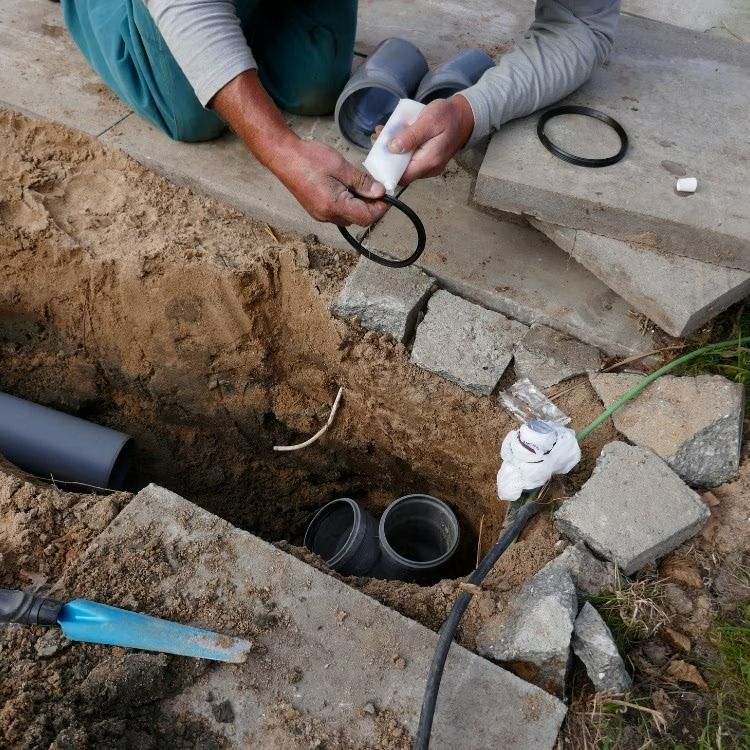
System failure shows up as sewage backing into fixtures, standing water over leach fields, or septic odors near the house—conditions that make a property unlivable until wastewater treatment is restored. Reliable Septic Solutions designs replacement systems for properties experiencing active failure, evaluating site constraints quickly to determine whether the property can support a conventional rebuild or requires engineered solutions to overcome the conditions that caused the original system to fail. The design addresses both the immediate need to restore wastewater service and the long-term goal of preventing recurrence.
Failure evaluation identifies whether the problem stems from saturated soil, tank structural failure, undersized components, or site conditions like high water tables or restrictive soil layers that were never suitable for conventional septic systems. Soil testing in unused portions of the property determines where a new leach field can function, while regulatory reviews confirm that the replacement design meets current permitting requirements even if the original system predated modern codes.
Request an emergency evaluation to assess failure causes and identify viable locations for redesigned system components.
What Changes After Failure-Driven Redesign
Redesigns move system components away from failed areas, positioning tanks and leach fields where soil conditions support long-term absorption. In cases where the property has limited undisturbed land, engineered systems incorporate pressure distribution or mound construction to treat wastewater in areas that cannot accommodate conventional gravity-fed designs. Advanced treatment components may be added to reduce the effluent strength before it enters the leach field, extending system lifespan in marginal soils.
Once the redesigned system is installed and permitted, fixtures drain normally, surface water disappears from former leach field areas, and the property regains full functionality without sewage odors or backup events. The new design accounts for the failure patterns observed in the old system, adjusting component sizing and placement to prevent the same breakdown mechanisms from recurring.
Designs prepared by Reliable Septic Solutions for failed systems prioritize rapid permitting and installation coordination, minimizing the time the property remains without functional wastewater treatment. Documentation provided to permitting authorities explains the failure cause and demonstrates how the redesign addresses deficiencies, which expedites approval for emergency replacements.
What Homeowners Ask During System Failure
Questions during active septic failure focus on how quickly service can be restored and what design changes prevent future breakdowns.
What causes sudden septic system failure that requires complete redesign?
Leach fields that reach saturation limits after years of effluent loading, tanks that collapse or separate at joints, or systems installed in unsuitable soil that never provided adequate treatment capacity all lead to failure that cannot be resolved through repairs alone.
How quickly can a failed system be redesigned and replaced?
Design timelines depend on site complexity and soil testing requirements, while permit approval and installation scheduling vary based on county review workload and contractor availability, with expedited processing sometimes available for emergency replacements.
Can a failed system be repaired instead of redesigned?
Repairs address isolated component failures like broken pipes or damaged baffles, but systemwide failure—indicated by saturated leach fields, persistent backups, or complete loss of effluent absorption—requires full redesign and replacement to restore functionality.
What site conditions in Rifle commonly contribute to septic system failure?
Shallow bedrock that limits leach field depth, seasonal water tables that rise into drainage areas during spring runoff, and clay-heavy soils with slow percolation rates create conditions where systems fail prematurely unless designs account for these limitations from the outset.
What does the redesign process include for a failed system?
Site evaluation to determine usable areas for new components, soil testing to confirm adequate absorption capacity, design preparation showing updated layouts and sizing, and permit applications that document failure causes and proposed solutions.
Reliable Septic Solutions responds to failed system emergencies by evaluating site conditions, preparing redesigned layouts, and coordinating with permitting authorities to restore wastewater service as quickly as regulations allow. Call (970) 309-9020 to request an immediate assessment of failed system conditions and redesign options.