Ground Conditions That Control System Design
Soil Testing Coordination in Rifle for properties requiring compliant septic system engineering and health department approval
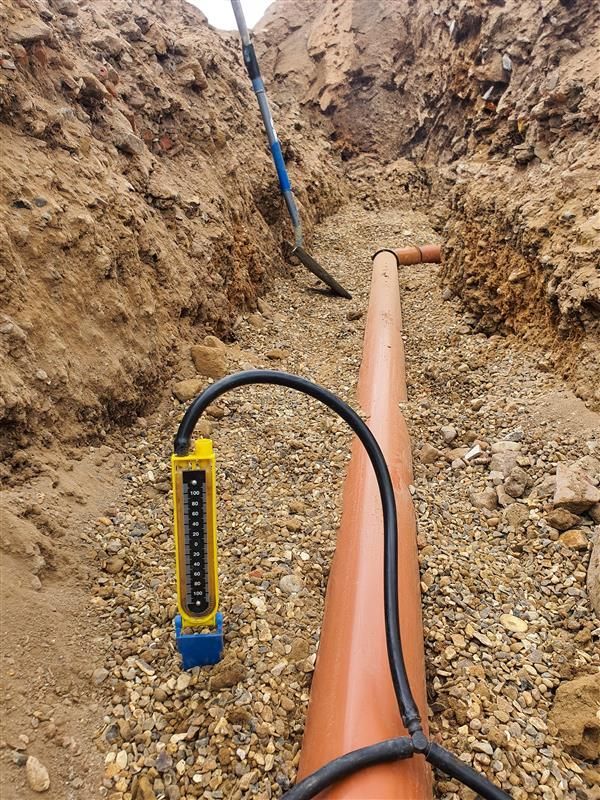
Soil conditions beneath your property determine which septic system designs will function correctly and meet regulatory approval in Rifle. Reliable Septic Solutions coordinates required soil evaluations that measure percolation rates, identify soil horizons, and assess drainage characteristics that directly affect system sizing and component selection. Without this data, engineers cannot calculate drainfield area requirements or confirm that effluent will disperse at rates the health department requires, and permit applications remain incomplete until soil analysis results are submitted.
Soil testing measures how quickly water moves through subsurface layers, which determines whether standard drainfield trenches provide adequate treatment area or whether engineered fill, larger footprints, or alternative distribution methods are necessary. Clay-heavy soils with slow percolation rates may require doubled drainfield dimensions or pressurized distribution to prevent effluent from surfacing, while sandy soils with rapid infiltration may need deeper placement or added treatment stages to meet groundwater protection standards.
Request a consultation to coordinate soil testing that supports accurate system design for your property.
Why Soil Data Determines System Components and Costs
Health departments in Western Colorado review soil test results before issuing septic permits because percolation rates and soil structure directly affect whether a proposed system will treat wastewater adequately. Soil evaluations classify texture, identify restrictive layers like hardpan or bedrock, and measure seasonal water table depth, all of which influence whether conventional gravity systems are feasible or whether advanced treatment and distribution methods must be engineered into the design.
Once soil testing is complete, you understand which system types are viable on your property and what installation costs will likely involve. Properties with favorable soil conditions often accommodate standard drainfield layouts, while sites with restrictive soils may require mound systems, at-grade distribution, or aerobic treatment units that increase both installation expense and long-term maintenance commitments. Reliable Septic Solutions ensures soil testing is completed as part of the design process so engineering decisions align with actual subsurface conditions.
Soil testing also identifies whether seasonal high water tables or impermeable layers will interfere with effluent dispersal, which affects vertical placement of drainfield components. When these factors are documented early, designers can specify systems that function correctly year-round rather than failing during wet seasons or when groundwater levels rise.
Common Questions About Soil Testing for Septic Systems
Soil testing provides data that engineers and health departments use to approve septic system designs, and understanding what the testing involves helps property owners in Rifle prepare for the permitting process.
What does soil testing measure for septic design purposes?
Testing measures percolation rates to determine how quickly water moves through soil layers, classifies soil texture and structure, identifies restrictive layers, and documents seasonal water table depth.
How do percolation rates affect what type of system I need?
Slow percolation rates require larger drainfield areas or alternative distribution methods like pressure dosing, while very fast rates may need additional treatment stages to protect groundwater quality.
When is soil testing required?
Soil evaluations are required before health departments will approve septic system permits, and testing must be completed before final design calculations can be performed.
Can soil conditions prevent me from installing a septic system?
Extremely restrictive soils, shallow bedrock, or permanent high water tables can limit system options, but engineered solutions like mound systems or aerobic treatment units often provide compliant alternatives when conventional designs are not feasible.
How long does soil testing take to complete?
Testing typically involves site visits for percolation tests and soil profile evaluations, with results documented in reports submitted as part of permit applications; coordination with testing schedules depends on weather and site accessibility in Rifle and surrounding areas.
Reliable Septic Solutions coordinates soil testing that meets health department requirements and provides the data engineers need for accurate system design. Begin the testing process with guidance that keeps your project moving toward permit approval.