Updating Systems That No Longer Meet Standards
Replacement Septic System Design in Rifle for properties where aging systems fail inspections or cannot handle current wastewater loads
Older septic systems often predate current environmental regulations, use undersized components, or deteriorate to the point where they no longer treat wastewater effectively. Replacement designs from Reliable Septic Solutions evaluate existing site conditions—including soil that may be saturated or compacted from decades of use—before recommending updated layouts that comply with modern permitting standards. These designs address both the functional failure of the old system and the regulatory requirements that govern new installations, often requiring larger leach fields or advanced treatment components compared to the original configuration.
The design process begins with assessing why the existing system failed: saturated leach fields, cracked or collapsed tanks, undersized drainage areas, or soil that was never suitable for the original installation. Soil testing in undisturbed areas of the property identifies locations where new leach fields will function properly, while setback reviews ensure the replacement design maintains required distances from wells, structures, and property boundaries under current codes.
Schedule a property evaluation to determine replacement design requirements and permit conditions before removing the existing system.
What Proper Replacement Design Requires
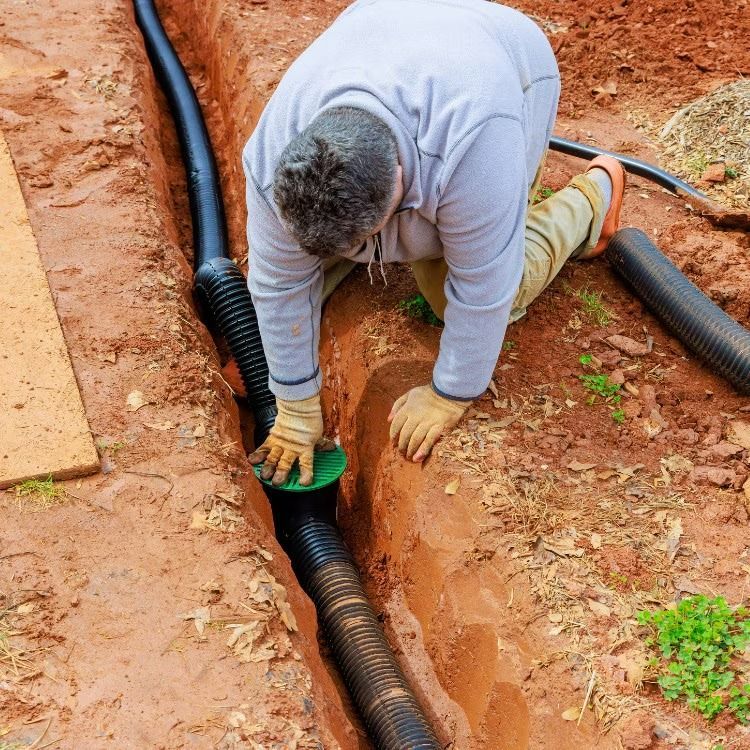
Replacement designs position new leach fields away from areas saturated by the failed system, giving those zones time to recover while the new drainage field treats effluent in soil that retains its absorption capacity. Tank sizing follows current standards, which often mandate larger capacities than older systems provided, and designs may incorporate distribution boxes or pump chambers that were absent in gravity-fed configurations installed decades ago.
After installation, the property handles wastewater without the surface wetness, sewage odors, or sluggish drains that indicated the old system was failing. Properly sized tanks reduce the frequency of pumping service, and leach fields placed in suitable soil maintain absorption rates that prevent effluent backup during high-use periods.
Replacement designs prepared by Reliable Septic Solutions document the failure cause and demonstrate how the new configuration addresses deficiencies, which permitting authorities require before approving removal of the old system and installation of the replacement. Properties with limited space may need engineered solutions if suitable soil for conventional leach fields is no longer available.
Common Concerns About Replacement Systems
Homeowners facing septic replacement ask how new designs differ from the original system and what site limitations affect the updated configuration.
What causes septic systems to fail and require replacement design?
Leach fields saturated beyond recovery from decades of effluent loading, tanks that crack or lose structural integrity, and systems originally undersized for the home's occupancy all reach a point where repair is no longer feasible and full replacement becomes necessary.
How do current design standards differ from older septic systems in Rifle?
Modern codes require larger tanks to provide additional settling time for solids, increased leach field area to account for long-term soil absorption decline, and stricter setback distances from wells and water bodies to protect groundwater quality.
Can a replacement system be installed in the same location as the failed system?
Soil in the old leach field area is typically saturated and compacted, requiring the new drainage field to be positioned in undisturbed soil elsewhere on the property where percolation testing confirms adequate absorption capacity.
What happens if the property cannot accommodate a larger leach field?
Engineered systems using mound construction, pressure distribution, or advanced treatment components reduce the land area required for wastewater disposal, allowing replacement designs to fit within constrained properties.
How long does a replacement septic system typically last?
Properly designed and maintained systems function for twenty to thirty years or longer, depending on soil conditions, wastewater volume, and adherence to pumping schedules that prevent solids from reaching the leach field.
Reliable Septic Solutions evaluates existing site conditions and prepares replacement designs that meet current environmental standards while accommodating property limitations. Contact the office to discuss replacement design options and permitting requirements for your property.